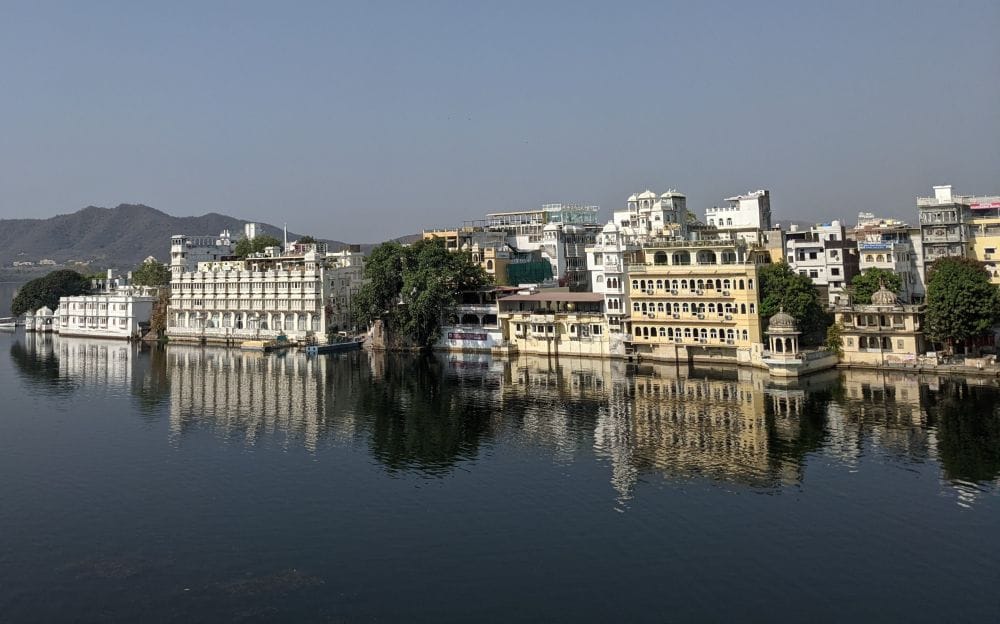
Udaipur, and Rajasthan in general, have hotels that used to be traditional homes, or havelis: big houses for influential or large families. Those havelis have been converted into heritage hotels, their multicolored glass panes, heavy fort-like wooden doors, arched windows, and thick pillars a testament to time. So many haveli hotels have pools, bars, and airport drop-off and pickup. These guesthouses are fully equipped for the high-end domestic and foreign travelers who come in millions to see the best places to visit in Udaipur. (Even in Pushkar in Rajasthan, I saw beautiful artistic big houses.)
Three-star, four-star, and five-star hotels in Udaipur are abundant. But Udaipur also has more than enough accommodations for the economic or budget traveler. There are lake-view hotels in Udaipur, and there are hotels near Udaipur Railway Station. My list has both budget hotels in Udaipur city and the best heritage hotels in Udaipur.
My Most Recommended Homestays in Mangalore, The Coastal Karnataka
Mangalore, a coastal city in Karnataka, drew me in completely. I was there for two weeks and, in those two weeks, lived a lifetime. Mangalore is that kind of a place.
Perpetually rainy, filled with mangoes, coconuts, and bananas, and cradled by the Indian Ocean. Every street and room is fragrant of coconut oil, which is used for cooking. The fishmonger comes early in the morning, and fish is part of at least one meal daily. Fries and curries are made in a delicious spice paste. Probably you will eat your hand. I was about to.
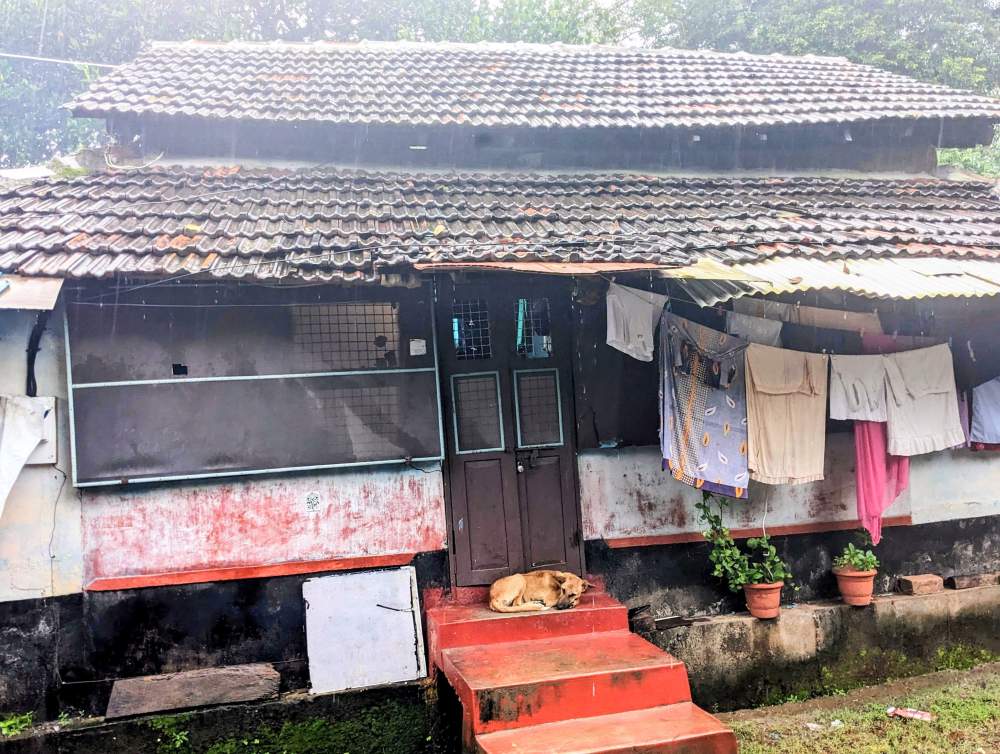
We stayed on the first floor of an old couple’s independent house. It was monsoon. Their mango tree didn’t bear fruit, but birds chirped on it all day. The tree overshadowed some part of the terrace outside our rooms. The terrace was a green carpet of moss and algae. Mangalore is friends with the monsoon, which comes every year and flows unabashedly, proudly.
हिमाचल प्रदेश के अदभुत मंडी शहर में हम: और वहाँ व्यतीत किया हमारा कुछ समय
हम व्यास नदी पर है।
ये हिंदी का प्यार आज छूटता ही नहीं है। जबसे वो हिमाचल प्रदेश कि हिंदी दसवीं कक्षा की किताब पढ़ी है मन करता है सब हिंदी में ही लिखने को। और क्यूँ ना करें? हिंदी मेरी मात्र-पित्र की भाषा है।
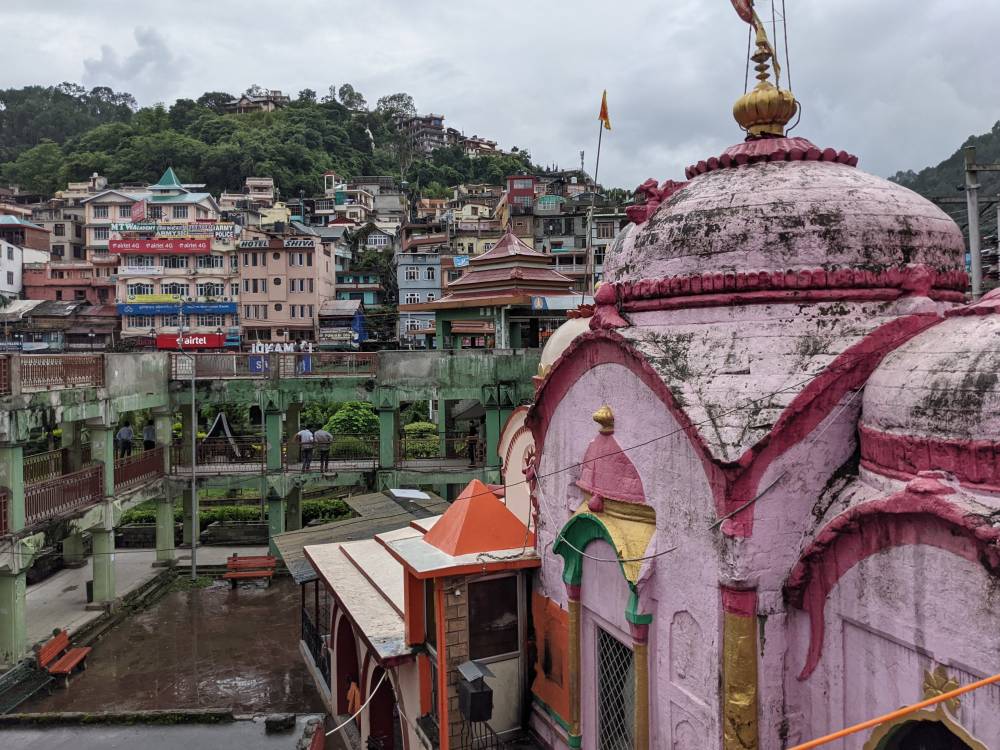
और हम है भी ऐसी जगह। हम है मंडी में, इस छोटे से हिमाचलि शहर को छोटी काशी के नाम से भी जाना जाता है। बहुत मंदिर है यहाँ। पुराने, नए, सब तरह के मंदिर। मेरे पति—जिन्होंने कहा था हम यहां आएँगे—बताते है कि इस हिमाचलि काशी में लोग कुछ १२-१३ सदी में बस गए थे। बहुत पहले से इंसान रहते है यहाँ।
जबकि मेरे होटेल में सफ़ायी वाली बताती है की उसके सामने ही इस नदी के तट पर कोई ख़ास घर नहीं थे। जंगल था यहाँ। अब मैं अपनी बालकनी में खड़े हो कर देखती हूँ तो मुझे घर ही घर दिखते है सामने। ऊँचे, बड़े, लम्बे, छोटे घर। सबकी छत कुछ टेढ़ी है, जैसे होती है हिमाचल के घरों की। ऊपर एक रिसॉर्ट भी दिखता है, पर उससे ज़्यादा कुछ नहीं|
बराबर बराबर एक दूसरे से कंधे से कंधा मिलाए खड़े है ये घर। बीच में एक इंच जगह भी नहीं दिखती नदी के इस तट पर। जगह होगी ज़रूर। घरों के आगे पत्थरों से पटा है नदी का किनारा। तट कह सकते है उसको। बड़े छोटे सब प्रकार के पत्थर दिखते है वहाँ। जे़ सी बी मशीन भी काम कर रही है तट के बिलकुल पीछे जिससे पता चलता है कि पहाड़ का और हिस्सा कट कर नदी पर और मकान या दुकान बनने वाले हैं।
Buying a New Car Vs Used Car in Bangalore (Karnataka), Deciding On a Car, and Booking a Car in Bangalore
I wrote this piece in January 2021, when I was looking for a car. Publishing it now with minor grammatical errors. I am sure many things such as prices and car models would have changed, but the basic ideas regarding new car versus used car, how to trust old car dealers, how to do proper due diligence, which car model to choose, how to book a car in Bangalore, what kind of discounts run, how to negotiate the prices of old cars, insurance and extended warranties, car delivery timelines, etc would be the same. Take what you need and leave the information that is not applicable to you or has changed.
Hanging out with villagers, Wandering Around Apple Farms, Climbing Into Pine Forests, and Drinking Wine under Starry Skies in Chindi, Himachal Pradesh
The government guesthouse in Chindi, Himachal Pradesh, was located on the brow of a hill. Below the guesthouse and further ahead and behind it, the village sprawled. We checked in at two pm. Our room was Set 1.
The PWD (Public Works Department) guesthouse caretakers hadn’t received a call from their superintendent regarding our booking. They thought there was no booking. All the staff, all men, were sitting on fixed wooden chairs that seemed to have been carved out of tree trunks right at their place under a giant Chinar tree.
Okay, so let’s set it straight. Some of the below things happened in Udaipur.
A man stalked me; it doesn’t happen in all Indian cities, though I wouldn’t say this kind of thing never happens. A friendly banter is often interpreted as a desire for something more. In Udaipur, I had bought a blue and yellow georgette sari that had been hanging outside a shop. Its colorful flutter had caught my eye as I returned from an exploration of one of the best places to see in Udaipur (Rajasthan). I spoke with the shopkeeper casually, and when I left the shop, he was following me on his bike, having shut his store, calling out to me as if I was waiting for him to take me to a fort and show me a molten yellow sunset.
I also climbed, no scrambled up, a very muddy hill. It was the Karni Mata Temple hill, or the Machla Hills, on which the temple is located. Though a ropeway climbs to the temple from Udaipur city, at that time, it was closed. I took a staircase to the temple. But, I think, after following the stairs for a while, I had taken a shortcut, a mud path, as is expected of me. As it hadn’t rained in Udaipur for months, the path was dry, my feet slipping.
The staircase I had taken from Manil Lal Park to Karni Mata temple in Udaipur
the muddy path, which I eventually always find
I had arrived at Karni Mata temple’s back gate, which was closed. So I had to maneuver around. In ten minutes or so, a well-dressed straight-postured young man, who introduced himself as a royal family staff (maybe someone important, perhaps a young son’s friend) said he had come to get me. The guard who had refused to unlock the back gate for me had apparently called him. He, the son, not the guard, was courteous and concerned. “Ma’am how did you reach here?” He watched me curiously.
I felt slightly odd to be called ma’am by him, a guy who supposedly had come from the fort or the palace and who said all the royal family members were scheduled to do a puja in the temple later that day. I don’t remember all of it, but he was saying that it wasn’t safe for me to be up there alone in the evening.
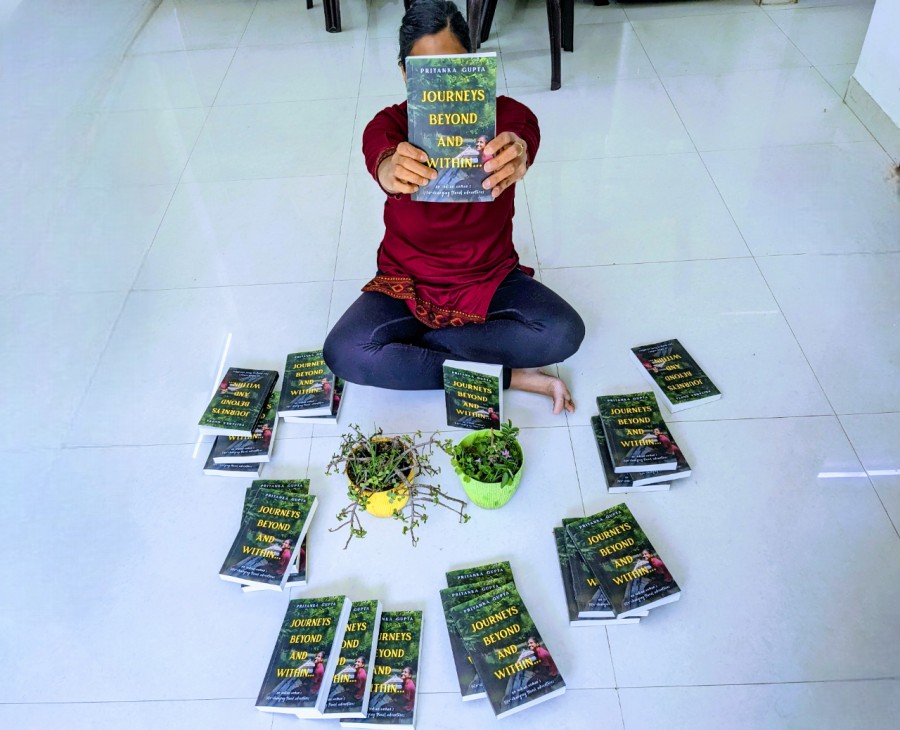
The publisher needed book ideas, and when we had ideas, she needed chapter skeletons. So, all the possible chapter titles we could have in the book. This is for them to confirm if we synced over our understanding of the memoir. For two months we went back and forth, discussing what I could expect from the publisher and what they would need. Some major terms of the contract, such as no advance, 8.5% something royalty, etc., were told to me. I thought those are things we will discuss when we come to the book. For now, I have a book to write.
Leaving Behind a Forest to Get Into Another One: Finding Accommodationin Wayanad (Kerala)
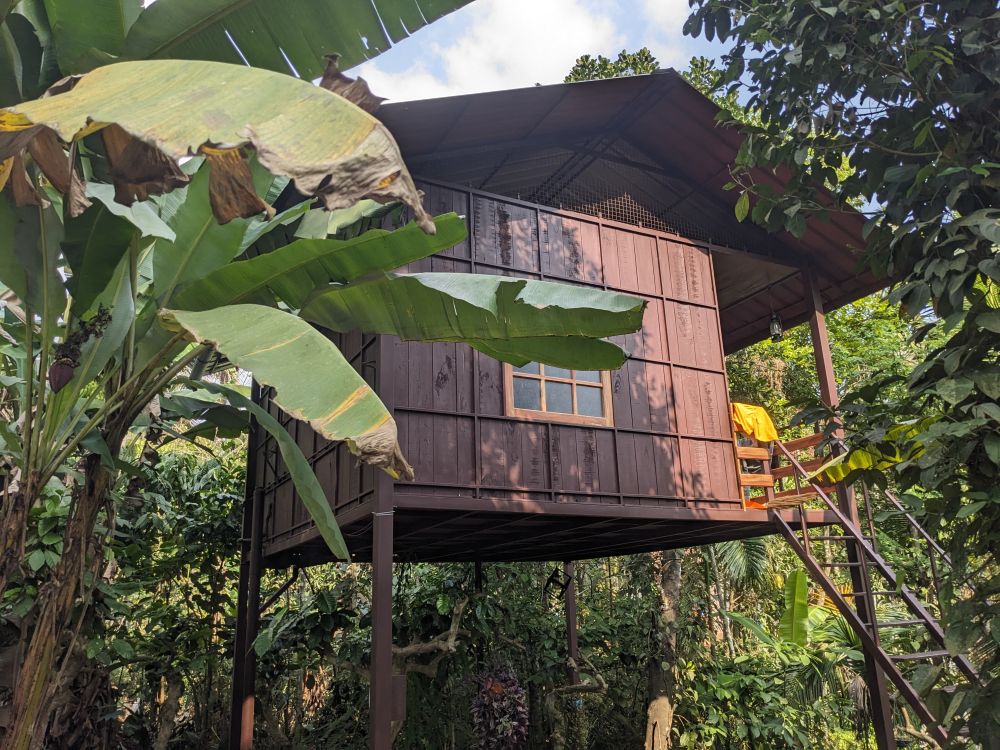
As I said in the post on the Wayanad Wildlife Sanctuary, I wasn’t happy leaving the 100-year-old sylvan cottage that was my home for three days.
The last morning in the Sanctuary’s forest stay was-let’s just say-not easy on me. The previous night, my partner, Sagar, and I finished a bottle of whiskey. In the morning, I showered, and we took a jungle safari. Mommy elephants and baby elephants crossed the road ahead of us. My joy was a little subdued. After the safari, which ended at eight, I packed the rest of the things, brushed, walked, had tea, and wrote for more than an hour.
Please note: This is the fourth episode in the Wayanad series. Here’s the First, Second, and the Third.
Saying Goodbye to My Home in the Coffee Village in Wayanad
I woke up at 7:45, showered, and made breakfast: onion parathas and tea. We had to check out of the homestay. Every raw vegetable was to be made and everything to be packed. I did the dishes, cleaned the kitchen, and heated the dinner leftovers. The food was on the table all night. There was no fridge. I boiled potatoes and washed okra. My partner, Sagar, and I walked around on the porch facing the estate, finally sitting down for a bit. By 11:30, I started to work. Just an hour and a half and then I’ll finish the rest of cooking. Sagar was working, too. He would do all the packing. I would wrap up all the food things. At 1, I got up and strolled around a bit. From the porch, I called, “Shobha, Shobha,” as she had asked me to do the previous evening.
I woke up at seven and put water on the stove for my bath. Outside on the porch, I did my version of surya namaskars in front of the yellow sun that had replaced the golden moon. After washing myself, I put tea on the stove. By the time my partner, Sagar, woke up, tea was boiling. No breakfast for we had had a heavy dinner the previous night. I worked for two hours and when AB, our host, didn’t show up like the previous morning, Sagar called him.
Please note: This is the second episode in the series. If you haven’t read the first, get it here: Finding a Home in a Village in Wayanad (Kerala): Day 1, Episode 1 A Regular Day of Two Travelers in a Tea, Coffee, and Betel Nut Village in Wayanad Day 2 We slept well and woke …
For more than eight years, I've read and written night and day to make On My Canvas—my sustenance and life's focal point—a place of inspiration, trial, adventure, and happiness. Everything here and my weekly newsletter, Looking Inwards, is free. No AI. No ads. No paywalls. No sponsors. No paycheck.
If my blog has served you in any way, please consider making a one-time or a consistent donation. Your generosity will not only support the idea that we can create a life of our choice but also sustain good-quality free writing online. I'll be thankful forever.