हिमाचल प्रदेश के अदभुत मंडी शहर में हम: और वहाँ व्यतीत किया हमारा कुछ समय
हम व्यास नदी पर है।
ये हिंदी का प्यार आज छूटता ही नहीं है। जबसे वो हिमाचल प्रदेश कि हिंदी दसवीं कक्षा की किताब पढ़ी है मन करता है सब हिंदी में ही लिखने को। और क्यूँ ना करें? हिंदी मेरी मात्र-पित्र की भाषा है।
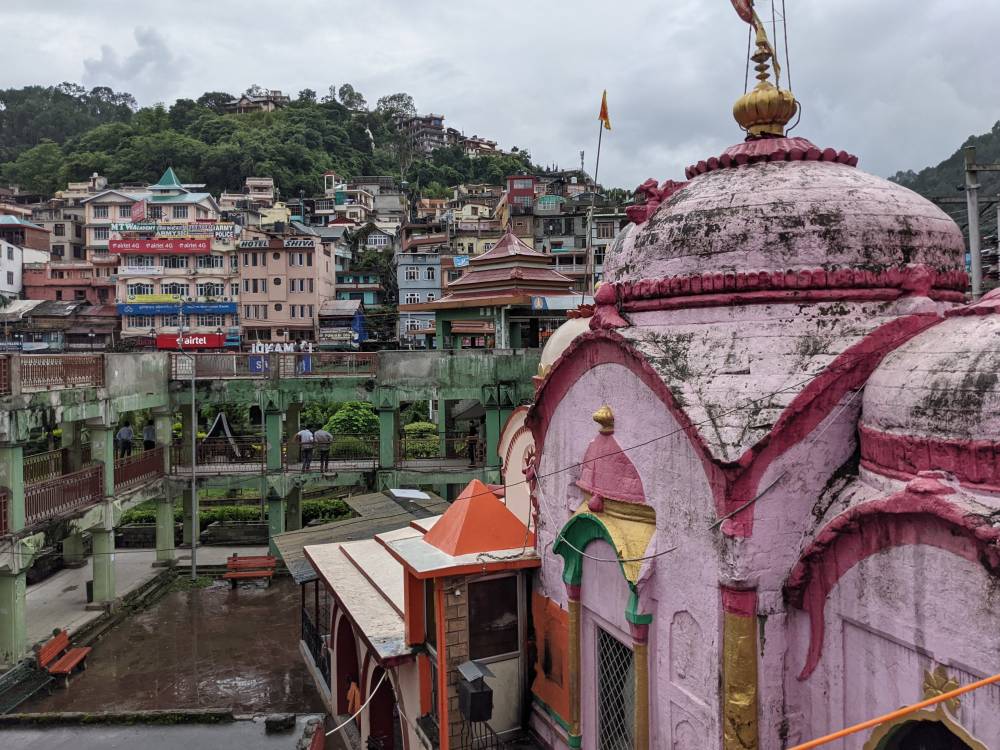
और हम है भी ऐसी जगह। हम है मंडी में, इस छोटे से हिमाचलि शहर को छोटी काशी के नाम से भी जाना जाता है। बहुत मंदिर है यहाँ। पुराने, नए, सब तरह के मंदिर। मेरे पति—जिन्होंने कहा था हम यहां आएँगे—बताते है कि इस हिमाचलि काशी में लोग कुछ १२-१३ सदी में बस गए थे। बहुत पहले से इंसान रहते है यहाँ।
जबकि मेरे होटेल में सफ़ायी वाली बताती है की उसके सामने ही इस नदी के तट पर कोई ख़ास घर नहीं थे। जंगल था यहाँ। अब मैं अपनी बालकनी में खड़े हो कर देखती हूँ तो मुझे घर ही घर दिखते है सामने। ऊँचे, बड़े, लम्बे, छोटे घर। सबकी छत कुछ टेढ़ी है, जैसे होती है हिमाचल के घरों की। ऊपर एक रिसॉर्ट भी दिखता है, पर उससे ज़्यादा कुछ नहीं|
बराबर बराबर एक दूसरे से कंधे से कंधा मिलाए खड़े है ये घर। बीच में एक इंच जगह भी नहीं दिखती नदी के इस तट पर। जगह होगी ज़रूर। घरों के आगे पत्थरों से पटा है नदी का किनारा। तट कह सकते है उसको। बड़े छोटे सब प्रकार के पत्थर दिखते है वहाँ। जे़ सी बी मशीन भी काम कर रही है तट के बिलकुल पीछे जिससे पता चलता है कि पहाड़ का और हिस्सा कट कर नदी पर और मकान या दुकान बनने वाले हैं।
Buying a New Car Vs Used Car in Bangalore (Karnataka), Deciding On a Car, and Booking a Car in Bangalore
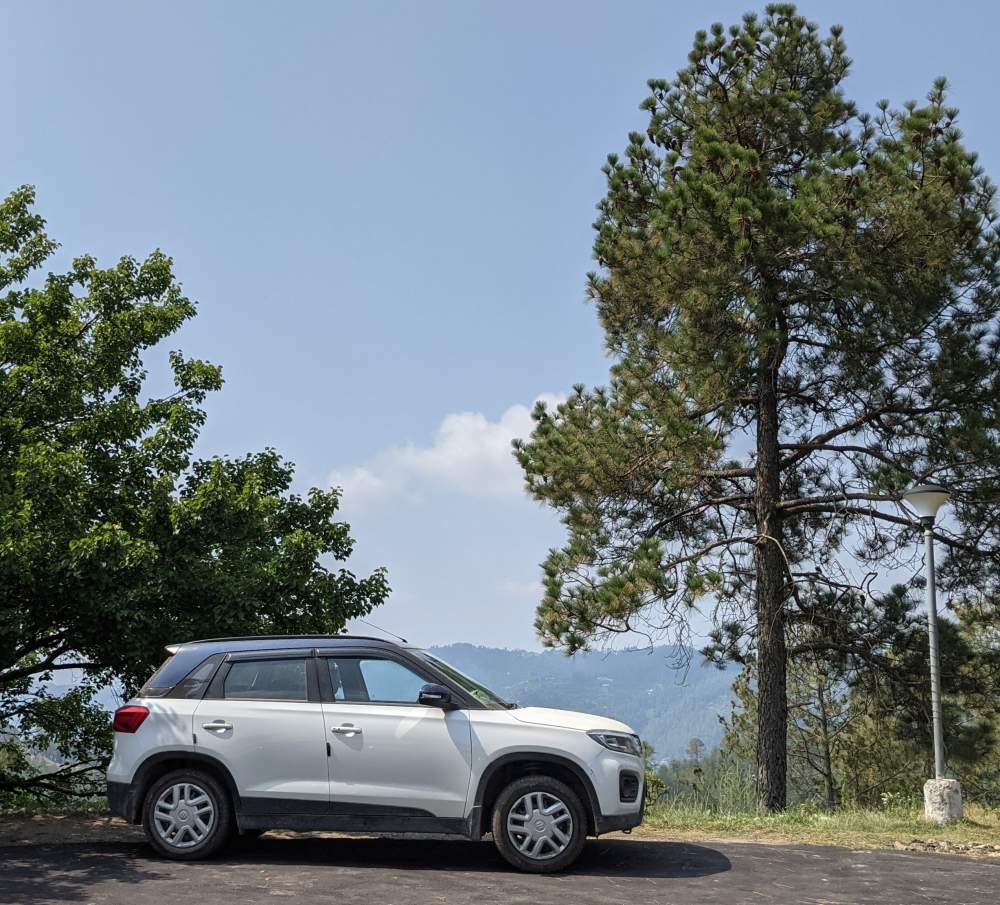
I wrote this piece in January 2021, when I was looking for a car. Publishing it now with minor grammatical errors. I am sure many things such as prices and car models would have changed, but the basic ideas regarding new car versus used car, how to trust old car dealers, how to do proper due diligence, which car model to choose, how to book a car in Bangalore, what kind of discounts run, how to negotiate the prices of old cars, insurance and extended warranties, car delivery timelines, etc would be the same. Take what you need and leave the information that is not applicable to you or has changed.
Hanging out with villagers, Wandering Around Apple Farms, Climbing Into Pine Forests, and Drinking Wine under Starry Skies in Chindi, Himachal Pradesh
The government guesthouse in Chindi, Himachal Pradesh, was located on the brow of a hill. Below the guesthouse and further ahead and behind it, the village sprawled. We checked in at two pm. Our room was Set 1.
The PWD (Public Works Department) guesthouse caretakers hadn’t received a call from their superintendent regarding our booking. They thought there was no booking. All the staff, all men, were sitting on fixed wooden chairs that seemed to have been carved out of tree trunks right at their place under a giant Chinar tree.
Okay, so let’s set it straight. Some of the below things happened in Udaipur.
A man stalked me; it doesn’t happen in all Indian cities, though I wouldn’t say this kind of thing never happens. A friendly banter is often interpreted as a desire for something more. In Udaipur, I had bought a blue and yellow georgette sari that had been hanging outside a shop. Its colorful flutter had caught my eye as I returned from an exploration of one of the best places to see in Udaipur (Rajasthan). I spoke with the shopkeeper casually, and when I left the shop, he was following me on his bike, having shut his store, calling out to me as if I was waiting for him to take me to a fort and show me a molten yellow sunset.
I also climbed, no scrambled up, a very muddy hill. It was the Karni Mata Temple hill, or the Machla Hills, on which the temple is located. Though a ropeway climbs to the temple from Udaipur city, at that time, it was closed. I took a staircase to the temple. But, I think, after following the stairs for a while, I had taken a shortcut, a mud path, as is expected of me. As it hadn’t rained in Udaipur for months, the path was dry, my feet slipping.
The staircase I had taken from Manil Lal Park to Karni Mata temple in Udaipur
the muddy path, which I eventually always find
I had arrived at Karni Mata temple’s back gate, which was closed. So I had to maneuver around. In ten minutes or so, a well-dressed straight-postured young man, who introduced himself as a royal family staff (maybe someone important, perhaps a young son’s friend) said he had come to get me. The guard who had refused to unlock the back gate for me had apparently called him. He, the son, not the guard, was courteous and concerned. “Ma’am how did you reach here?” He watched me curiously.
I felt slightly odd to be called ma’am by him, a guy who supposedly had come from the fort or the palace and who said all the royal family members were scheduled to do a puja in the temple later that day. I don’t remember all of it, but he was saying that it wasn’t safe for me to be up there alone in the evening.
Jungle Bliss in the Wayanad Wildlife Sanctuary, Wayanad, Kerala I am in the forest guesthouse of Wayanad Wildlife Sanctuary in the Wayanad district of Kerala, and I don’t want to leave here ever. There are many things for which I want to stay. The tranquility of the forest: the clear sky with a few clouds. …
5 Years As a Digital Nomad in India: Behind The Scenes Table of Content [TOC] Introduction to My Digital Nomad Lifestyle January 5′ 2024 Bangalore Here I am in a hotel in Bangalore, writing about my nomad living and wondering why do I feel so cold and why am I so uninterested and unenthusiastic about everything. …
Keeping Our Eyes Open to the Wonders of the World At times, we look around us, and everything moving or even inanimate strikes us as beautiful. Travel, for sure, helps me appreciate the new and the old. But it also opens my eyes to things I might have ignored otherwise. Though I lived for years …
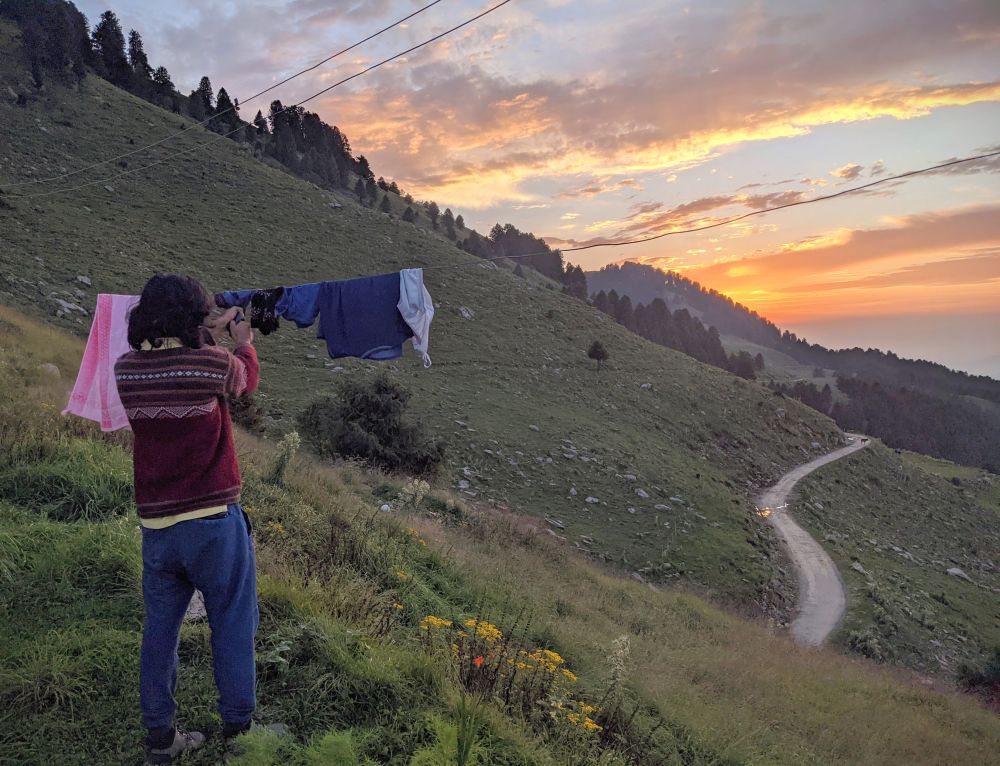
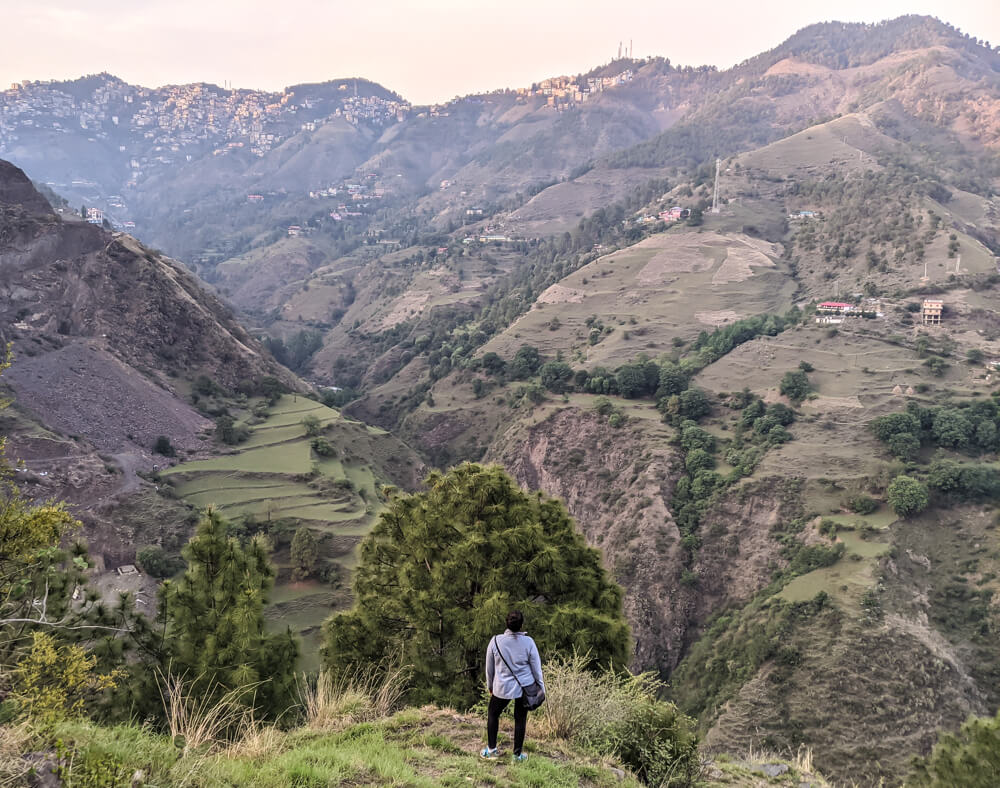
I’ve finally ended up in the Himalayan mountains of Himachal Pradesh, and I would live here for the next few months. This mountain excursion was always the plan for the summer and now as my fingers freeze, I wonder why I chose Himachal. Because I love the mountains or because I’m familiar with the Himalayas from my last four-month trip to Dharamshala in 2019?
In the Shimla area of the mountains where I’m at, summer is not well-known. Locals talk about hailstorms and snowfall even during the months of May to July when the plains of India scorch. During the summers, rains in the lower part of India are scarce but right now heavy rain falls outside my one-bedroom-and-hall house. I have kept the netted house door open by sticking a thick foot mat between the door and its frame. The temperature is no more than 11 degrees outside but when all the doors and windows are closed I stifle, a claustrophobia I picked up, perhaps, by growing up in a very open garden-facing independent house of my parents.
Introduction to Dandeli Wildlife Sanctuary and Kali Adventure Camp
Though just 100 km from Goa, Dandeli is mostly absent from the travel itineraries of Indian and foreign tourists. Whenever I ask my foreign friends about their India tour, they mention Varanasi, Hampi, Goa, Dharamshala, Amritsar, Jaipur, Spiti Valley, Kerala, but never do they speak about Dandeli wildlife sanctuary. Even most of the Indian travelers visiting South India don’t have Dandeli in their list of places to visit in Karnataka.
What is to be seen in Dandeli? What is Kali Adventure Camp?
Dandeli is a city in the Uttara Kannada district of Karnataka, India.
I have spoken in detail about the Dandeli town in my article on Dandeli Jungle Camp where I stayed deep inside the Dandeli forest. But to give you an idea, Dandeli city is located in the Western Ghats, and the entire surrounding area of Dandeli is a forest.
This 1200 square km forest is known as Dandeli Wildlife Sanctuary or Dandeli National park, which is also known to be the second-largest wildlife sanctuary in Karnataka. Kali Tiger Reserve, that was previously known as Anshi National Park or Anshi Tiger Reserve, is part of the Dandeli Sanctuary. The sanctuary is now under the protection of the Karnataka government.
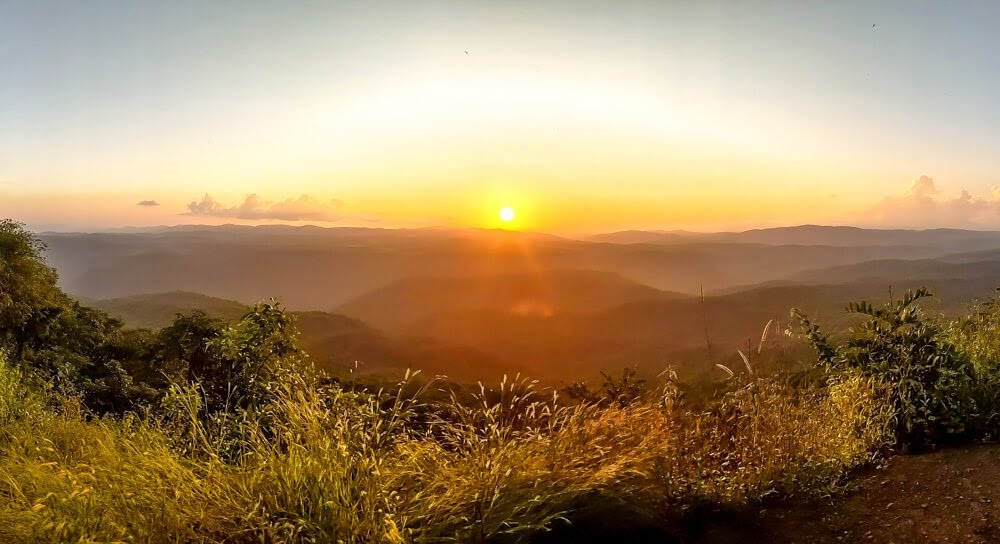
As Dandeli lies in the Western Ghats, you can expect the forest to be dense and hilly. From a high viewpoint in the Dandeli wildlife safari that I took later, I saw how thick the forest was.
The sunlight never reaches some parts of the forest, our guides from the Kali Adventure resort told us. I didn’t doubt them for I saw cauliflower-florets-like trees standing neck to neck fighting for space and air on all the rolling hills of Dandeli sanctuary. From that far, I didn’t see even an inch of empty ground.
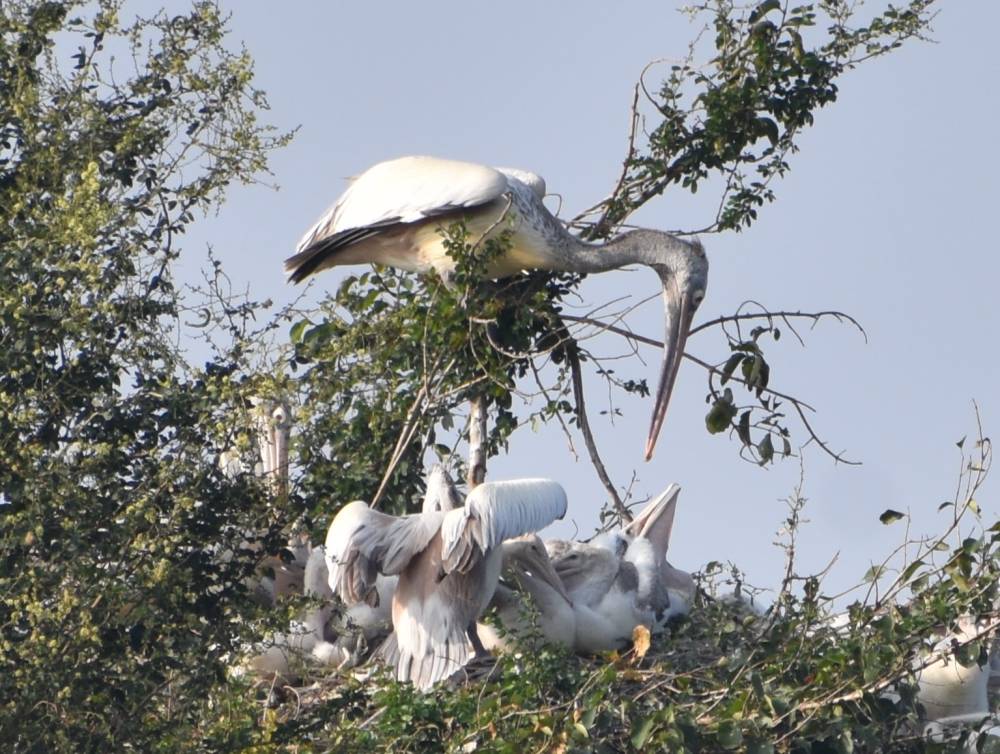
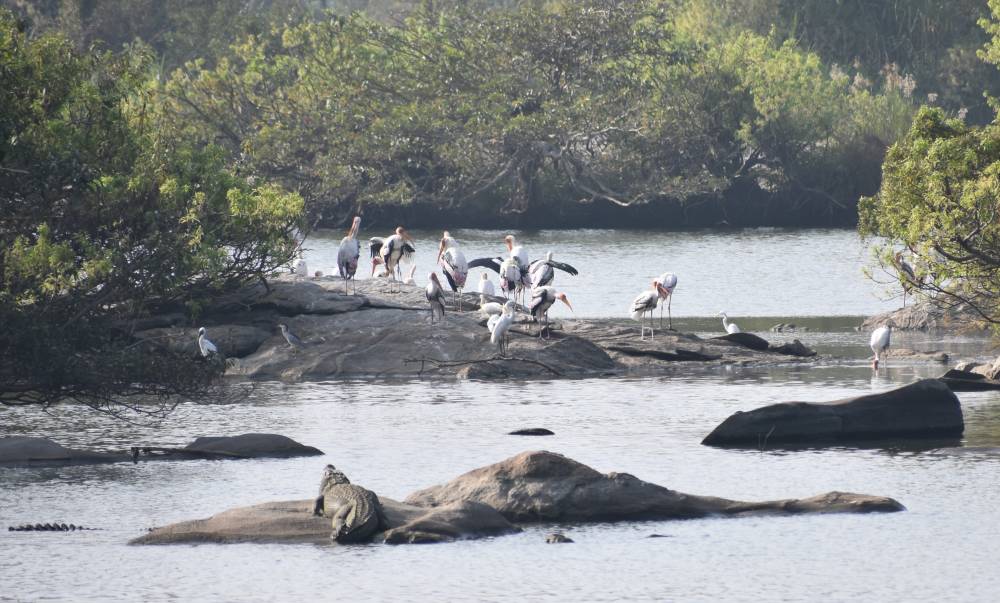
As we approached the Ranganathittu National Park, we could see big birds flying above us in groups. That part of the Mysore city felt like a forest. Soon we would see crocodiles basking on rocks and islets full of young chicks chattering incessantly for food.
Ranganathittu Bird Sanctuary is a natural reserve in the Mandya district of Karnataka. The reserve is three kilometers from the historic town of Srirangapatna (another important place in Karnataka) and sixteen kilometers (10 mi) north of Mysore. The drive to Ranganathittu bird sanctuary from Bangalore took us about four hours.
Ranganathittu islets were formed when an embankment across the Kaveri river was built between 1645 and 1648 by the then king of Mysore. These islets, originally numbering twenty five, soon started attracting birds. Once upon a time, ornithologistSalim Ali observed migrant birds nesting in huge numbers on the islands. Upon his suggestion, the King of Mysore declared the islets a protected area in 1940. Now the sanctuary is formed by six of these islets on the Kaveri river.
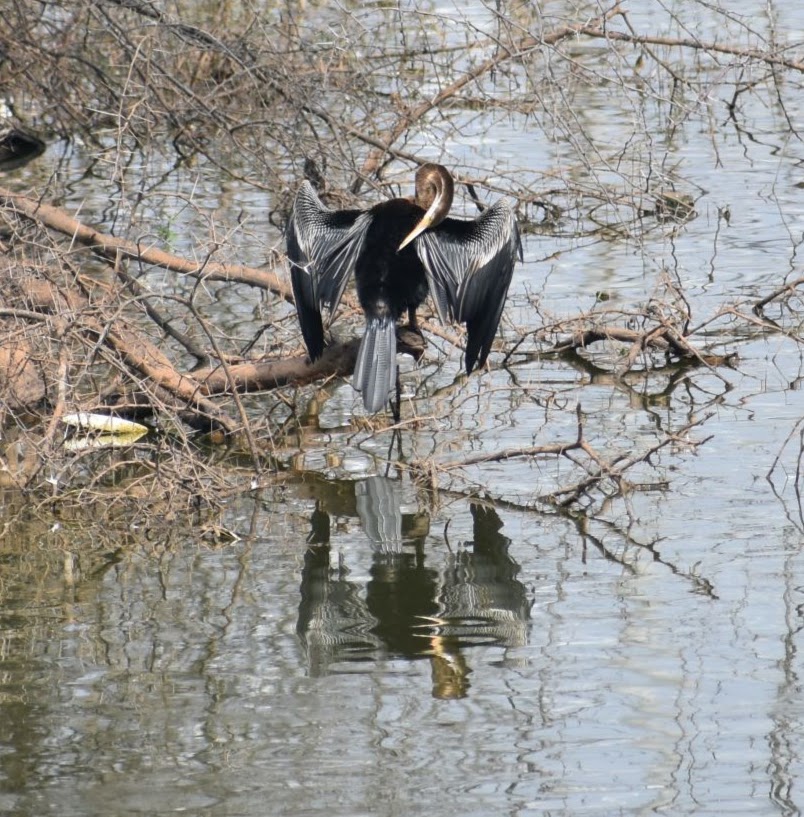
As soon as we arrived at Ranganathittu, we purchased a ticket and went inside. As we went inside the sanctuary, we could see the Kaveri islands below us, and above us in the sky flew painted storks, ibis, pelicans, and herons. At least those were the birds I could identify. When we took the special boat ride that takes in seven people and goes around the sanctuary for forty minutes the boatman told us that the Ranganathittu reserve hosts at least one hundred seventy bird species. Some of the common birds found are painted storks, Asian openbill storks, woolly-necked stork, pelicans, river terns, egrets, cormorants, herons, and varieties of kingfishers.
The best time to visit Ranganathittu Bird Sanctuary is from December to February, and we were well within the time frame. During these months migrant birds come to Ranganathittu from as far as Siberia, South America, and the Himalayas, and they all nest in the bird sanctuary. You can also spot crocodiles, otters, mongooses, and flying foxes there. Just keep your eyes open and binoculars in focus.
I penned down my experience in Ranganathittu National Park in a poem. After all, what is better than nature and poetry?
Writing down that poem here. Hope you enjoy it 🙂
Painted storks in Ranganathittu
As we entered the sanctuary, painted storks glided above us in the clouded sky,
and with our heads tilted towards the heavens,
we walked by the side of the muddy Kaveri,
to see flocks and flocks of white and grey birds just perched onto the canopies of the Arjuna and the Acacia on the islets.
The crisp air buzzed with their songs and shrieks,
though I couldn’t identify even one of those notes.
We gazed at the distant foliage to recognize the winged-ones,
but our eyes instead discovered three crocodiles who rested on the rocks with their powerful jaws wide open,
as if they were waiting for a fish to dive into their mouth.
Their stillness made us wonder if they were real or fake,
and then we saw one of them gracefully gliding into the coolness of the water,
One of My Favorite Places to Visit near Bangalore: Panchapalli Dam and Bettamugilalam Village
One needs to control his or her mind to do anything in this world. Even the most enlightened of us all, Plato, Seneca, Marcus, Aristotle, Buddha, Socrates, valued this virtue. I do not possess this quality, yet, and hence couldn’t sleep the Saturday night before the Sunday drive. At 4 am, when I disabled the alarm and dragged myself out of bed, I felt as if a hundred pins pierced my eyes.
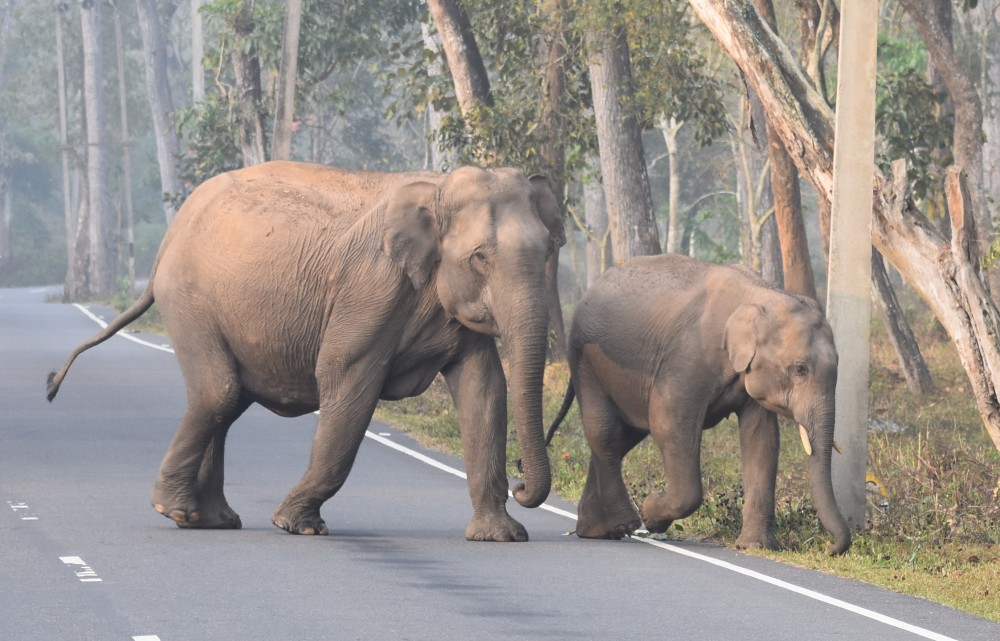
Determined to hit the road, we packed our country-egg-omelet and Amul-butter-pasted sandwiches, that I had already prepared the night before, in tiffin boxes and then in a backpack, along with bananas, water bottles, and Unibic protein bars. We wanted to hike the world. Soon, we sped on the road in search of a green and sunlight-lit golden Sunday in some distant hills or next to a lake or a dam, may be accompanied by an elephant or two.
For more than eight years, I've read and written night and day to make On My Canvas—my sustenance and life's focal point—a place of inspiration, trial, adventure, and happiness. Everything here and my weekly newsletter, Looking Inwards, is free. No AI. No ads. No paywalls. No sponsors. No paycheck.
If my blog has served you in any way, please consider making a one-time or a consistent donation. Your generosity will not only support the idea that we can create a life of our choice but also sustain good-quality free writing online. I'll be thankful forever.